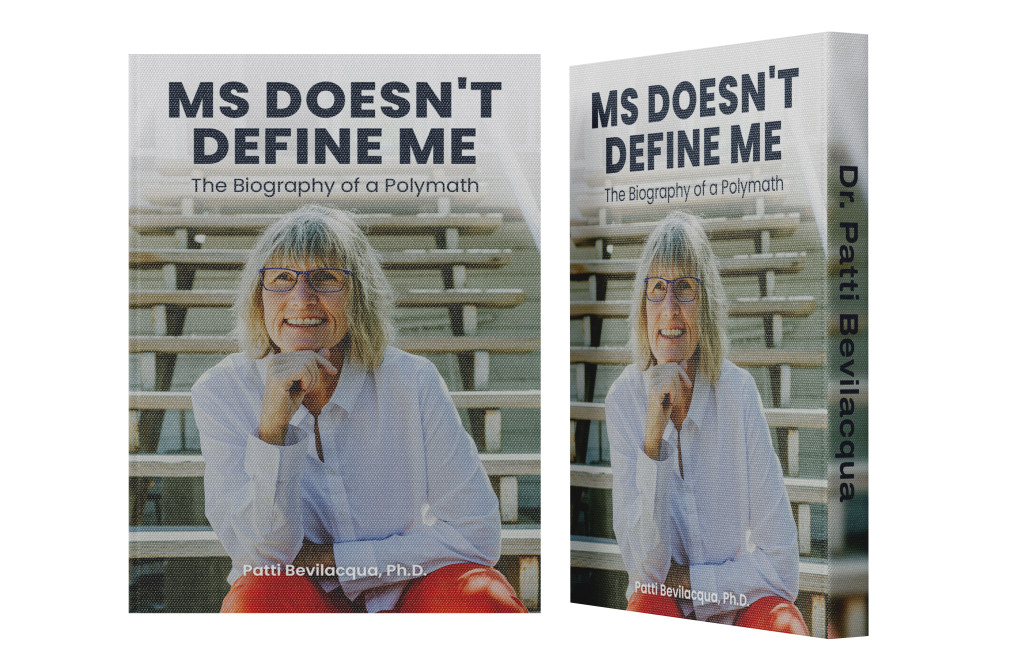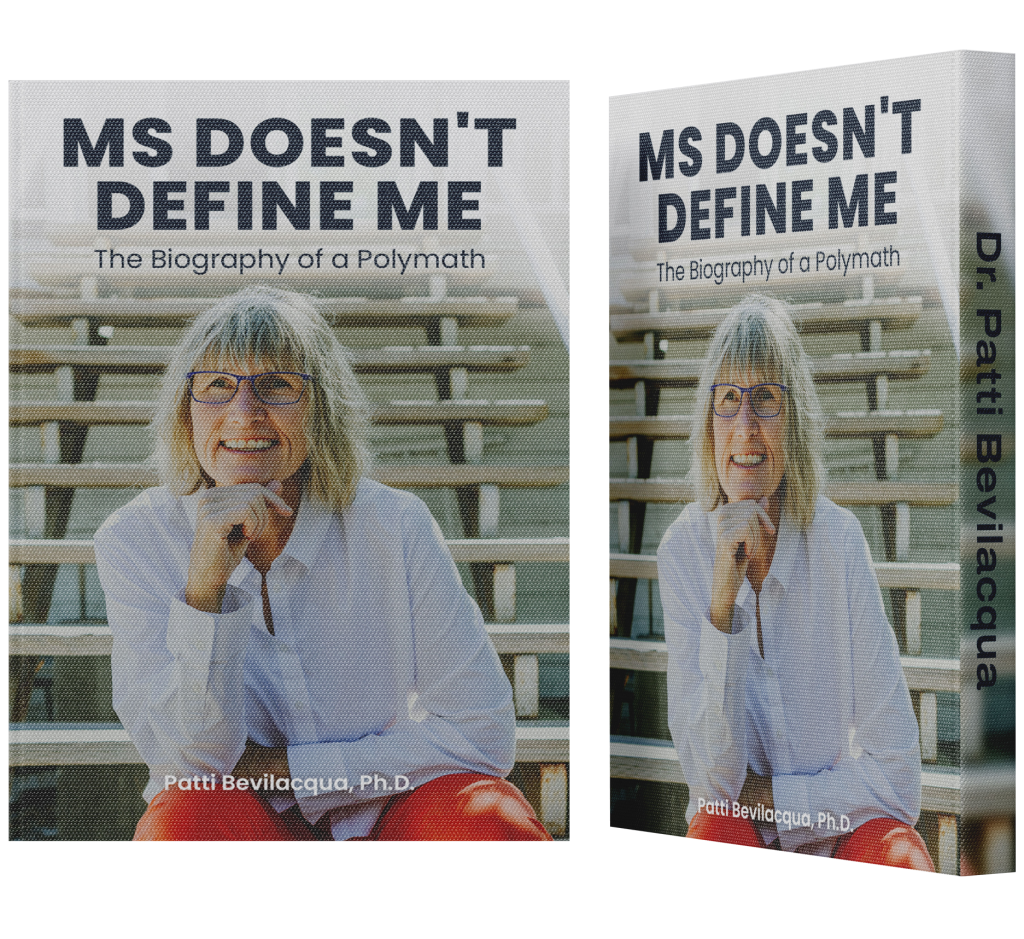
In the opening chapter of the MS doesn’t define ME, we meet Patti Bevilacqua—a woman who seems to have it all under control. She’s a passionate teacher, a driven athlete, and someone whose identity is firmly rooted in the physical and professional achievements that have shaped her life. But when the early signs of multiple sclerosis (MS) begin to surface, her world, once structured and strong, starts to shift beneath her feet.
This first chapter doesn’t just recount the diagnosis of a chronic illness. It uncovers the emotional earthquake that follows—the fear, the confusion, the silent prayers whispered between appointments. For Patti, this moment is the beginning of something far greater than just a change in her medical records. It is the genesis of a brand-new life.
When Control Begins to Slip
Double vision. That was the symptom that began Patti’s journey. Seemingly minor at first, it was easy to dismiss or rationalize. But when it didn’t go away—and when other subtle changes followed—it became clear that something deeper was happening. Patti’s life, once defined by motion, clarity, and control, began to feel uncertain.
Uncertainty is the greatest challenge for someone used to leading, teaching, and succeeding. In Patti’s case, it wasn’t just the fear of a diagnosis—it was the realization that she might no longer be the same teacher, athlete, or woman she had always been.
This moment of recognition is deeply relatable. Whether through illness, trauma, or sudden life change, many of us have experienced that moment when we feel our identity slipping through our fingers. The question then becomes: who are we when everything familiar falls away?
Strength Isn’t Always Loud
One of the most profound aspects of Patti’s story is that her strength doesn’t manifest in big, cinematic ways. There’s no immediate acceptance, no instant resolve. Instead, we see her wrestle with vulnerability. She doesn’t want to be “the sick one,” and she doesn’t want to be pitied. She wants to run, to teach, to sweat, to lead.
But MS doesn’t care about what we want.
In this, Patti is like so many others living with invisible illnesses—those whose battles are fought quietly behind closed doors, where strength is measured not by endurance in the gym but by the courage it takes to ask for help or to get out of bed on a tough day.
Through the lens of this chapter, we begin to understand that resilience often starts in the moments that look most like surrender. Letting go of control isn’t weakness—it’s wisdom.
The Healing Power of Connection
Patti’s transformation doesn’t happen in isolation. Early in her journey, it becomes clear that connection—to medical professionals, to family, to herself—is critical to her survival.
Her medical team becomes her new “coaching staff,” guiding her through treatment, helping her understand MS, and encouraging her to take each day as it comes. The diagnosis may be hers alone, but the process of healing and adapting is shared.
Then there’s her family—her safe place. Their love, patience, and gentle insistence that she’s more than her diagnosis become the emotional scaffolding she needs as she starts to rebuild.
For readers, this part of Patti’s story is a powerful reminder that we don’t have to be whole to be worthy of love. That even in our most fragile moments, we can be held—emotionally and physically—by those who care about us.
Redefining Success on Her Terms
As Patti grapples with the reality of her condition, she begins to ask herself a question many of us fear: “What now?”
What do we do when the life we planned is no longer possible?
This is where the story begins to shift—not away from hardship but through it. Patti starts to recognize that success doesn’t have to look like it used to. It can look like managing a new routine. Like advocating for others. Like waking up and choosing to keep going.
She begins to see herself not as broken but as someone evolving. Her journey with MS is no longer just something happening to her—it’s something she’s actively navigating. With every challenge, she uncovers strength she didn’t know she had.
And that’s the heart of this first blog—the idea that identity isn’t static. Job titles or physical abilities do not define it. It’s defined by the choices we make when everything familiar is taken away.
A Story That Belongs to All of Us
What makes Patti’s story so engaging is that it feels personal. It isn’t just about MS. It’s about loss, identity, strength, and love. It’s about facing the unknown and learning to live inside it. It’s about how every one of us, at some point in our lives, will have to decide whether we will cling to what was or embrace what could be.