
A chronic illness does not just affect your physical health. It reshapes how you think, how you see yourself, and how you imagine your future. For many people, the most difficult part of the journey is not the diagnosis itself, but the story that begins to form afterward.
This story often starts as a way to process what has happened. You explain your symptoms, your diagnosis, and the changes in your life. Over time, however, this narrative can become something much bigger. It can turn into a mindset that quietly shapes your identity and limits your ability to move forward.
This is what can be described as the illness story mindset trap.
Understanding this mindset is essential if you want to regain control of your life and begin building a future that is not defined by your past.
What Is the Illness Story Mindset
The illness story mindset develops when a person begins to define themselves primarily through their condition and the losses associated with it.
At first, sharing your story is natural. It helps you make sense of what has happened and allows others to understand your situation. You may talk about how your life used to be, what changed, and what challenges you now face.
The problem begins when this story becomes repetitive and central to your identity.
Instead of being something you experienced, it becomes something you carry into every interaction and every thought about yourself. Your identity slowly shifts from who you are to what has happened to you.
This shift is subtle, but its impact is significant.
Why This Mindset Becomes Limiting
When your thoughts repeatedly focus on loss, your brain reinforces that perspective. This directly affects your mental health and chronic illness experience.
You may begin to:
- Focus more on what you have lost than what you still have
- Feel disconnected from your current identity
- Struggle to see opportunities for growth
- Believe that your best life is already behind you
Over time, this pattern creates emotional stagnation. Instead of asking what comes next, your mind remains focused on what has already happened.
This is where many people feel stuck without fully understanding why.
Emotional Impact of Living with Chronic Illness
Living with chronic illness is not just a physical experience. It is deeply emotional.
You may feel:
- Fear about what the future holds
- Frustration when your body does not respond the way it used to
- Grief for the life you once had
- A constant sense of comparison between your past and present
These emotions are valid and expected. However, without effective emotional coping strategies, they can begin to define how you see yourself.
When emotions are not processed properly, they become part of your identity rather than temporary experiences.
Signs You Are Stuck in the Illness Story Mindset
Recognizing the pattern is the first step toward change. You may be stuck in this mindset if:
- You frequently introduce yourself through your illness
- You repeat the same story in conversations
- You compare your current life to your past life
- You feel stuck even when new opportunities appear
- You believe that your previous version of yourself was better
These signs indicate that your story has moved from being something you experienced to something that defines you.
The Necessary Mindset Shift
Breaking free from the illness story mindset does not mean ignoring your reality. It means changing your relationship with it.
A healthy mindset shift for chronic illness involves recognizing that your condition is part of your life, but not the entirety of your identity.
Instead of thinking, “This is who I am now,” you begin to think, “This is something I am experiencing, and I can still grow beyond it.”
This shift creates space for change, growth, and new possibilities.
Practical Strategies to Move Forward
1. Simplify Your Narrative
You do not need to explain your full story in every conversation. Repeating the same details can keep you emotionally tied to the past.
A shorter and more balanced explanation allows you to communicate your situation without reliving it repeatedly.
2. Stop Comparing Your Past and Present
Constant comparison reinforces dissatisfaction. Your past and present exist under different circumstances, and both have value.
Focusing only on what you have lost prevents you from recognizing what is still possible.
3. Rebuild Your Identity with Intention
Ask yourself important questions:
- Who am I becoming now
- What still matters to me
- What strengths have I developed through this experience
This process helps you rebuild confidence and supports building resilience with MS or any chronic condition.
4. Address Fear Directly
Fear is one of the biggest reasons people remain stuck. It often shows up as fear of uncertainty, fear of losing control, or fear of not being able to live the life you once imagined.
Overcoming fear with chronic illness begins with acknowledging it. Once you recognize your fears, you can start responding to them with clarity rather than avoidance.
5. Focus on Growth and Meaning
Even the most difficult experiences can lead to growth when approached with intention.
Instead of asking why this happened, begin asking what you can learn from it. This shift helps in turning setbacks into growth and opens the door to new opportunities.
A More Balanced Perspective
A chronic illness can change many aspects of life, but it does not have to define your entire identity.
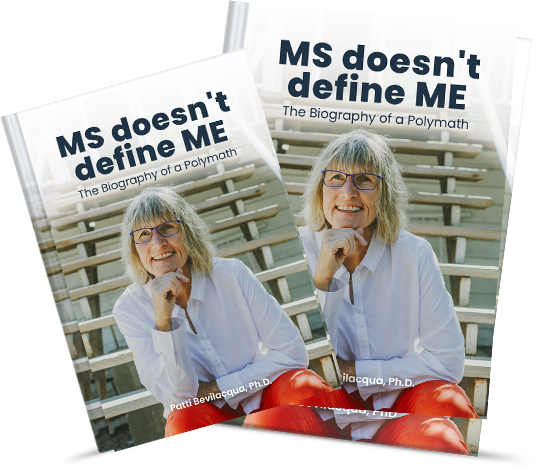
This idea is deeply explored in MS doesn’t define ME, where real experiences and practical mindset shifts show how it is possible to move beyond limitation and rebuild your sense of self.
If you want a deeper understanding of how to break free from limiting beliefs and take control of your life again, you can explore the book here:
Impact on Mental Health and Long-Term Well-Being
When you move beyond the illness story mindset, several positive changes begin to take place.
Your thinking becomes more focused on the future rather than the past. Emotional pressure begins to decrease, and you start to feel more in control of your decisions. Confidence gradually returns as you begin to see yourself as capable again.
These changes play a critical role in improving mental health and chronic illness management
Long-Term Growth and Identity Rebuilding
Rebuilding your identity after a major life change is not a one-time decision. It is an ongoing process.
You may still have difficult days. You may still feel moments of doubt or frustration. However, those moments do not have to define your entire journey.
Growth happens gradually through small, consistent changes in how you think, act, and respond to challenges.
By focusing on progress rather than perfection, you allow yourself to move forward without unnecessary pressure.
Conclusion
Holding onto a painful narrative can prevent you from moving forward. While your past experiences are important, they do not have to define your future.
Take time to reflect on your current mindset. Consider whether you are holding onto your past or actively building something new.
Your life is still evolving, and you have the ability to shape what comes next.
Take the Next Step
If this topic resonates with you and you want a deeper, structured approach to rebuilding your life after a major challenge, MS doesn’t define ME offers practical insights, real experiences, and powerful mindset shifts.
Related Reading
If you are looking for a deeper, practical guide to overcoming limiting beliefs and rebuilding your life after a diagnosis, you may find this helpful: